November 2, 2026
Vehicles experience wear, mechanical stress, and occasional damage throughout their lifespans. While some problems are immediately noticeable, others develop gradually and may be difficult to recognize without professional assistance. Unusual noises, changes in handling, warning lights, and visible exterior damage can indicate that a vehicle requires attention. Ignoring these symptoms may allow minor issues to become more extensive, potentially affecting safety, performance, and repair costs. Following a collision, even seemingly minor damage can interfere with important vehicle components. An experienced auto collision shop can evaluate visible and hidden damage, helping drivers understand which repairs are necessary.
1. Noticing Unusual Noises While Driving
Unfamiliar sounds are often among the first indications that something is wrong with a vehicle. Grinding, squealing, rattling, or knocking noises may originate from the brakes, suspension, engine, or other mechanical components. A scraping sound after a collision could indicate that a damaged panel or undercarriage component is contacting another surface. Drivers should pay attention to when these sounds occur, including during acceleration, braking, turning, or traveling over uneven pavement.
Identifying the source of unusual noises early can help prevent additional damage. A technician may inspect affected components, check for loose hardware, and determine whether parts require adjustment or replacement. When noises begin following an accident, an auto collision shop can examine damaged body panels and related structural components. Providing details about when the sounds started and how frequently they occur can help professionals narrow down potential causes and recommend appropriate repairs.
2. Recognizing Changes in Steering and Handling
A vehicle should generally respond predictably when steering, turning, and traveling along straight roads. Pulling to one side, excessive steering wheel vibration, or difficulty maintaining direction may indicate problems involving alignment, tires, suspension components, or steering systems. These symptoms sometimes develop after striking a pothole, curb, or another vehicle. Even a relatively minor impact can affect wheel alignment or damage components responsible for maintaining stable handling.
Drivers who notice changes in handling should arrange an inspection rather than assume the problem will resolve itself. Technicians can evaluate alignment measurements, examine suspension parts, and identify damaged components. An auto collision shop may also assess whether an impact affected mounting points or other structural areas. Addressing these concerns promptly can help restore predictable handling, reduce uneven tire wear, and prevent additional stress on related vehicle systems.
3. Identifying Warning Lights on the Dashboard
Modern vehicles use electronic monitoring systems to alert drivers when certain components require attention. Dashboard indicators may involve the engine, braking system, airbags, tire pressure, or electronic stability controls. Some lights signal routine maintenance needs, while others indicate conditions requiring immediate evaluation. Warning lights that appear after a collision deserve particular attention because damaged sensors, wiring, or safety components may affect the operation of important vehicle systems.
Professional diagnostic equipment can help technicians retrieve stored fault codes and investigate the underlying problem. However, a diagnostic code does not always identify the exact component requiring replacement. Additional testing may be necessary to determine the cause. Following an accident, an auto collision shop can coordinate appropriate evaluations of damaged electronic systems and related components. Prompt diagnosis helps drivers avoid overlooking problems that could affect vehicle safety or performance.
4. Observing Visible Exterior Damage
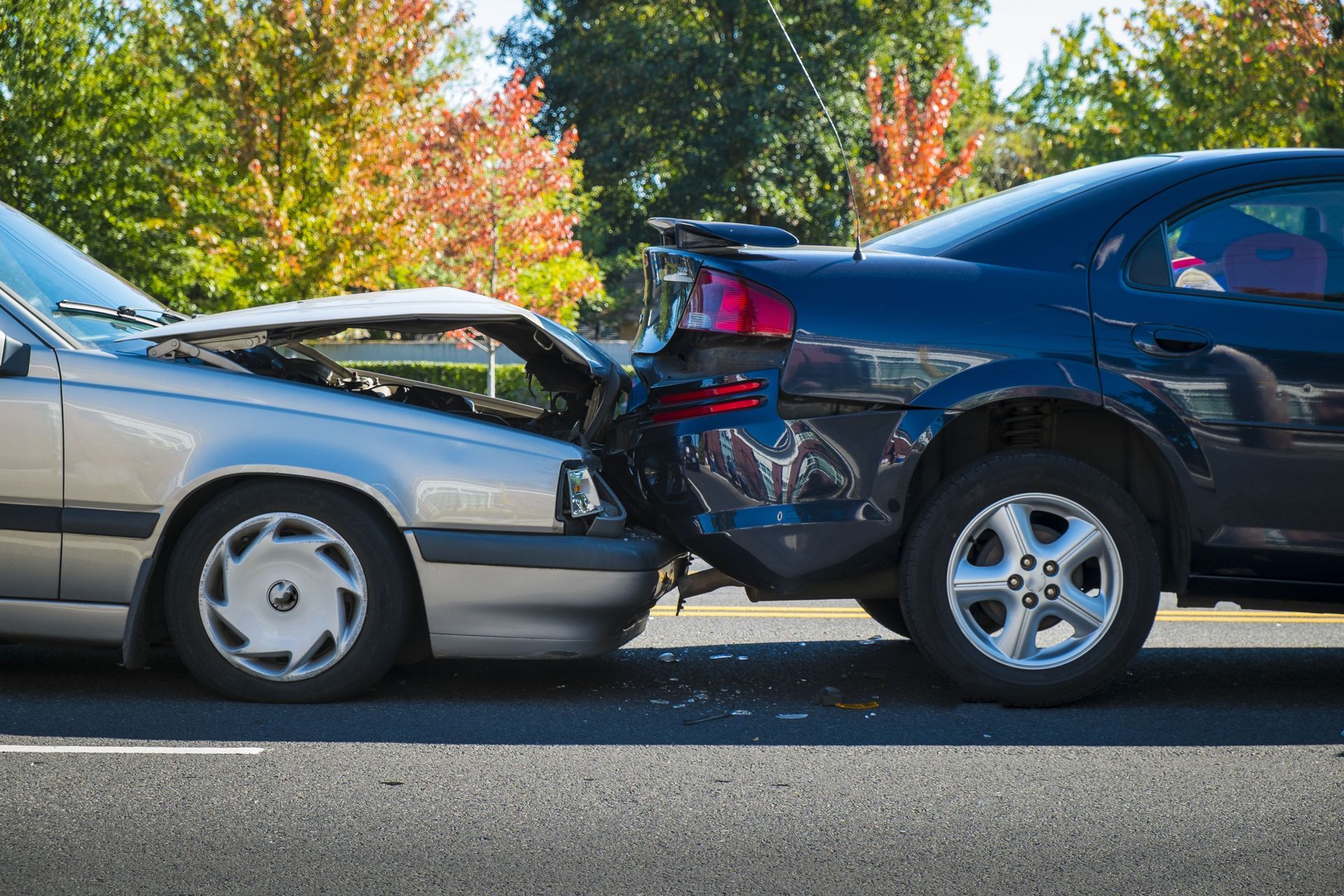
Dents, cracked bumpers, damaged headlights, and misaligned body panels are obvious indications that a vehicle may need repairs. Although some exterior damage appears cosmetic, impacts can affect components beneath the visible surface. A damaged bumper cover may conceal problems involving reinforcement structures, mounting brackets, or sensors. Misaligned doors, hoods, or trunks may also indicate that an impact changed the position of surrounding components.
Professional inspections help determine whether visible damage extends beyond the exterior panels. Technicians can examine attachment points, evaluate panel alignment, and identify components requiring repair or replacement. An auto collision shop may recommend additional disassembly when concealed damage is suspected. Addressing these concerns helps restore the vehicle's appearance while ensuring that damaged components receive appropriate attention. Repairing exterior damage promptly can also prevent exposed materials from deteriorating further.
5. Detecting Fluid Leaks Beneath the Vehicle
Fluid beneath a parked vehicle can indicate a problem involving the engine, transmission, cooling system, brakes, or other components. Although condensation from the air conditioning system is generally normal, colored or oily fluids may signal a leak requiring investigation. Drivers might notice puddles, unusual odors, or changes in fluid levels. Leaks can develop through normal deterioration, but collisions may also damage hoses, reservoirs, radiators, or connected components.
Ignoring fluid leaks can lead to overheating, reduced lubrication, or problems with essential vehicle systems. Technicians can identify the fluid, locate its source, and determine which components require attention. Drivers should avoid operating vehicles when leaks suggest compromised braking, severe overheating, or other dangerous conditions. Early repairs may prevent a relatively small leak from causing more extensive mechanical damage and expensive component replacement.
6. Experiencing Unusual Vibrations or Shaking
Unexpected vibrations can develop when vehicle components become worn, damaged, or improperly balanced. Shaking through the steering wheel may involve tires, wheels, or suspension components, while vibrations during braking can indicate problems within the braking system. After a collision, damaged wheels, bent suspension parts, or misaligned components may produce vibrations that were not present beforehand. The speed and driving conditions under which shaking occurs can provide useful diagnostic information.
Technicians can inspect tires, wheels, suspension components, and other systems to determine the source of vibrations. When shaking begins after an impact, an auto collision shop can evaluate whether damaged structural or suspension-related components require repair. Addressing these problems helps maintain vehicle stability and may prevent additional wear. Drivers should avoid dismissing persistent vibrations, particularly when they become more noticeable at higher speeds or interfere with steering control.
7. Discovering Problems With Doors and Safety Features
Doors, windows, seat belts, and other safety-related components should operate consistently. Difficulty opening or closing doors, unusual gaps around body panels, or malfunctioning windows may indicate damage or misalignment. Following an accident, problems with seat belt retractors, airbag warning indicators, or advanced driver assistance systems can also suggest that important safety components require evaluation. These concerns may not always be apparent during a brief visual inspection.
Professional repair facilities can examine affected components and determine whether additional testing or replacement is necessary. An auto collision shop may inspect door alignment, restraint system components, and collision-related sensors according to manufacturer procedures. Proper evaluation is important because safety systems must function as designed during future emergencies. Drivers should arrange repairs promptly when doors, restraints, or other protective features show signs of damage or improper operation.
8. Recognizing Repeated Performance Problems
Recurring problems such as difficult starting, reduced acceleration, unusual fuel consumption, or frequent overheating can indicate that a vehicle requires professional attention. Although these symptoms may involve different mechanical systems, repeated performance changes should not be dismissed as normal aging. Problems that appear intermittently can become more persistent over time. According to AAA, approximately 35% of Americans postpone or neglect vehicle maintenance recommended by mechanics or manufacturers, increasing their likelihood of experiencing preventable roadside breakdowns.
Keeping track of recurring symptoms can help technicians identify patterns and determine appropriate diagnostic procedures. Drivers should document when problems occur, whether warning lights appear, and whether recent repairs or collisions may be relevant. Addressing performance concerns before they worsen can reduce the likelihood of unexpected breakdowns and additional repair expenses. Routine maintenance and timely inspections also help vehicle owners understand the condition of important systems and plan necessary repairs.
Recognizing vehicle warning signs is an important part of maintaining dependable transportation and reducing the likelihood of expensive repairs. Unusual noises, steering changes, dashboard alerts, fluid leaks, vibrations, and visible collision damage can all indicate that professional attention is necessary. Even minor symptoms may reveal underlying problems that become more complicated when ignored. Following an accident, having an auto collision shop evaluate damaged components can help identify concerns that are not immediately visible. Drivers who respond promptly to warning signs can make informed repair decisions, protect important vehicle systems, and support safer driving conditions. Whether your vehicle has sustained collision damage or requires an assessment of potential repair needs, contact Mac Rod Collision today.