October 2, 2026
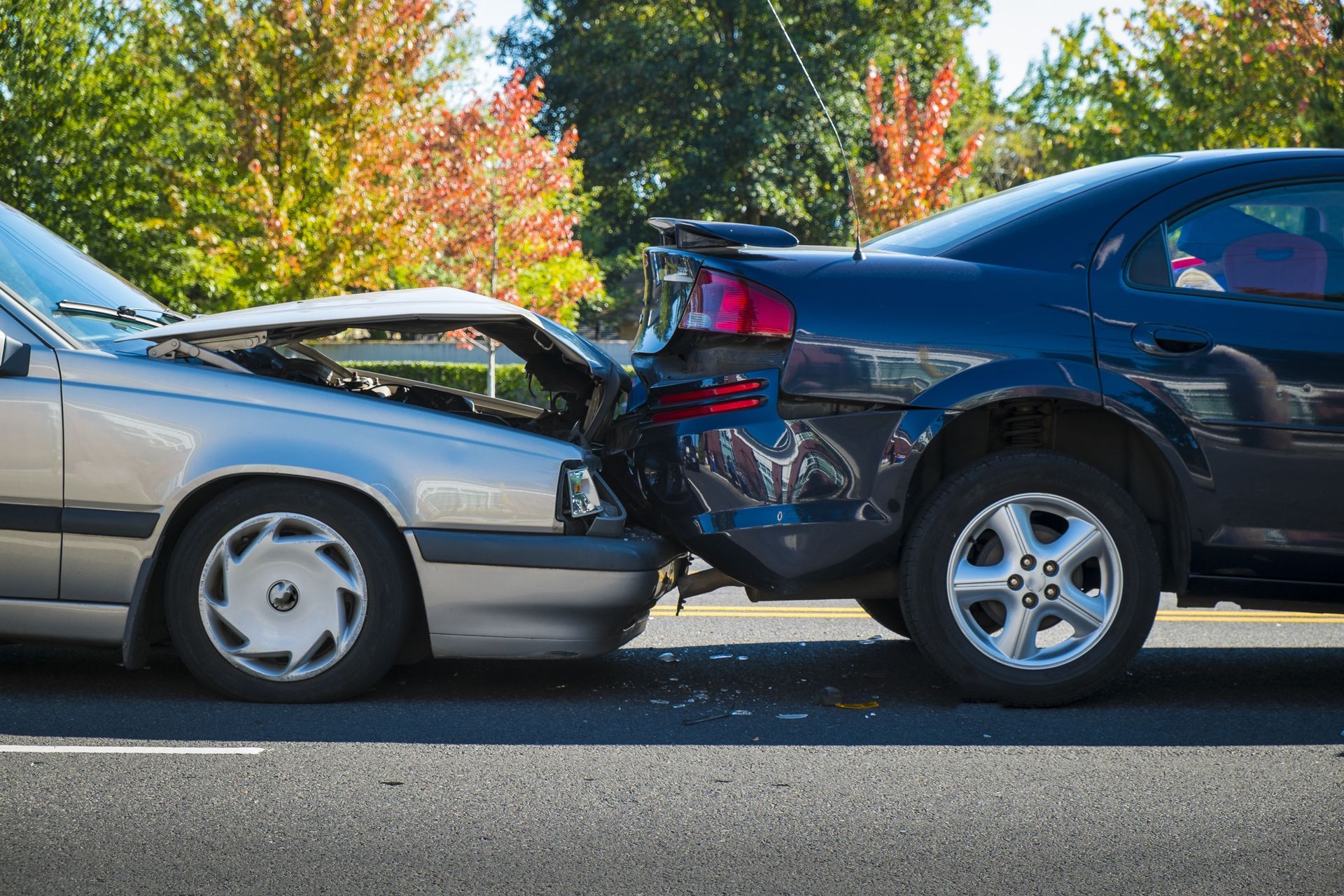
Finding a reliable body shop after an accident can make an already stressful situation easier to manage. Collision repairs may involve much more than replacing a damaged bumper or removing a dent. Depending on the severity of the accident, repairs can include structural work, paint matching, alignment checks, replacement parts, sensor calibration, and other procedures that affect the vehicle’s safety and appearance.
With so many vehicles on the road, collision repair remains an important service. According to Zippia, there are about 1.446 billion registered vehicles globally. While not all of these vehicles will require collision repairs, the sheer size of the vehicle population highlights the importance of having qualified professionals available when accidents happen.
When comparing local auto collision shops, asking a few smart questions can help you understand what to expect before authorizing repairs. The answers can reveal how a shop approaches training, quality control, warranties, estimates, and insurance claims. Taking the time to have this conversation can give you greater confidence throughout the repair process.
What Certifications Does the Shop Hold?
One of the first questions to ask is whether the shop holds any industry certifications. Certifications can provide information about a business's training, equipment, repair procedures, or adherence to particular industry standards. However, it is worth asking what a specific certification means rather than assuming every credential carries the same significance.
You can also ask whether the shop participates in manufacturer or industry training programs. Modern vehicles can contain advanced driver-assistance systems, aluminum body components, high-strength steel, and increasingly complex electronic systems. Proper repair may require specialized knowledge and equipment.
When evaluating local auto collision shops, ask which certifications apply to the technicians performing work on your particular vehicle. A shop may have extensive experience with certain makes or repair procedures, while another may specialize in different areas.
It can also be helpful to ask whether the shop follows manufacturer repair procedures when appropriate. This gives you another opportunity to understand how the business approaches repairs rather than simply accepting a general claim that it is qualified.
Are the Technicians Trained and Experienced?
A shop's credentials are only part of the picture. The people actually repairing your vehicle also matter. Ask how technicians are trained and how much experience they have with the type of repairs your vehicle requires.
You may want to ask whether technicians receive ongoing training. Vehicle technology changes rapidly, and collision repair has become increasingly dependent on specialized tools and procedures. A technician who has worked in the industry for years may still need continuing education to remain familiar with newer vehicle systems.
Experience with your specific vehicle can also be valuable. Ask whether the technicians regularly work on your make and model and whether they have experience repairing similar collision damage.
Local auto collision shops should be able to explain who will perform the work and what qualifications or experience that person has. You do not necessarily need to understand every technical detail, but a willingness to answer reasonable questions can make the repair process more transparent.
What Type of Warranty Do You Offer?
Before approving repairs, ask what warranty the shop provides and exactly what it covers. A warranty can address workmanship, paint, replacement parts, or other aspects of a repair, depending on the business's policies.
Do not stop at asking whether a warranty exists. Find out how long it lasts, what exclusions apply, and what happens if a problem develops after you leave the shop. You can also ask whether the warranty is provided directly by the repair facility or by a parts manufacturer.
For example, if paint begins peeling or a repaired component develops a problem, you will want to know whether the shop will inspect and correct the issue. Getting these details in writing can prevent confusion later.
Warranty policies can vary considerably among local auto collision shops, so comparing them may help you understand what each business is offering. At the same time, warranty length should not be the only consideration. A longer warranty does not automatically tell you everything about the quality of the underlying repair.
Can You Provide an Estimate and Explain the Process?
Ask for a written estimate and request an explanation of the repairs before work begins. The estimate should help you understand what needs to be repaired or replaced and provide an indication of the expected cost.
It is also reasonable to ask whether the estimate could change once technicians disassemble the vehicle. Hidden damage is common after collisions because some damage may not be visible from the outside. A bumper that appears to need simple replacement, for example, could conceal damage to underlying components.
Ask how the shop handles unexpected damage and whether you will be contacted before additional work is authorized. You can also ask how long the repair is expected to take and what circumstances could extend that timeline.
When comparing
local auto collision shops, pay attention to whether employees take the time to explain the estimate in understandable terms. A professional discussion should give you an opportunity to ask questions about parts, labor, paint work, structural repairs, and other charges.
You can also ask whether the shop uses original equipment manufacturer parts, aftermarket parts, or recycled components when replacements are necessary. Depending on your insurance coverage and vehicle, different parts may be available, so understanding your options before repairs begin can be useful.
How Do You Handle Insurance Claims?
Insurance can add another layer of complexity to collision repairs. Ask the shop how it handles insurance claims and what responsibilities will remain yours.
Some shops communicate directly with insurance companies, while others may help with documentation without managing the entire claim. Ask whether the shop will work with your insurer's adjuster, submit supplemental damage information, or help coordinate authorization for additional repairs.
You should also understand that choosing a repair facility and filing an insurance claim are separate decisions. Depending on your circumstances and applicable state rules, you may have options regarding where your vehicle is repaired.
Ask the shop to explain its role in the process rather than assuming it will handle everything. You may need to provide insurance information, approve repairs, pay a deductible, or communicate with your insurer directly.
Local auto collision shops that clearly explain these responsibilities can make it easier to understand who is handling each part of the claim.
What Parts And Repair Methods Will You Use?
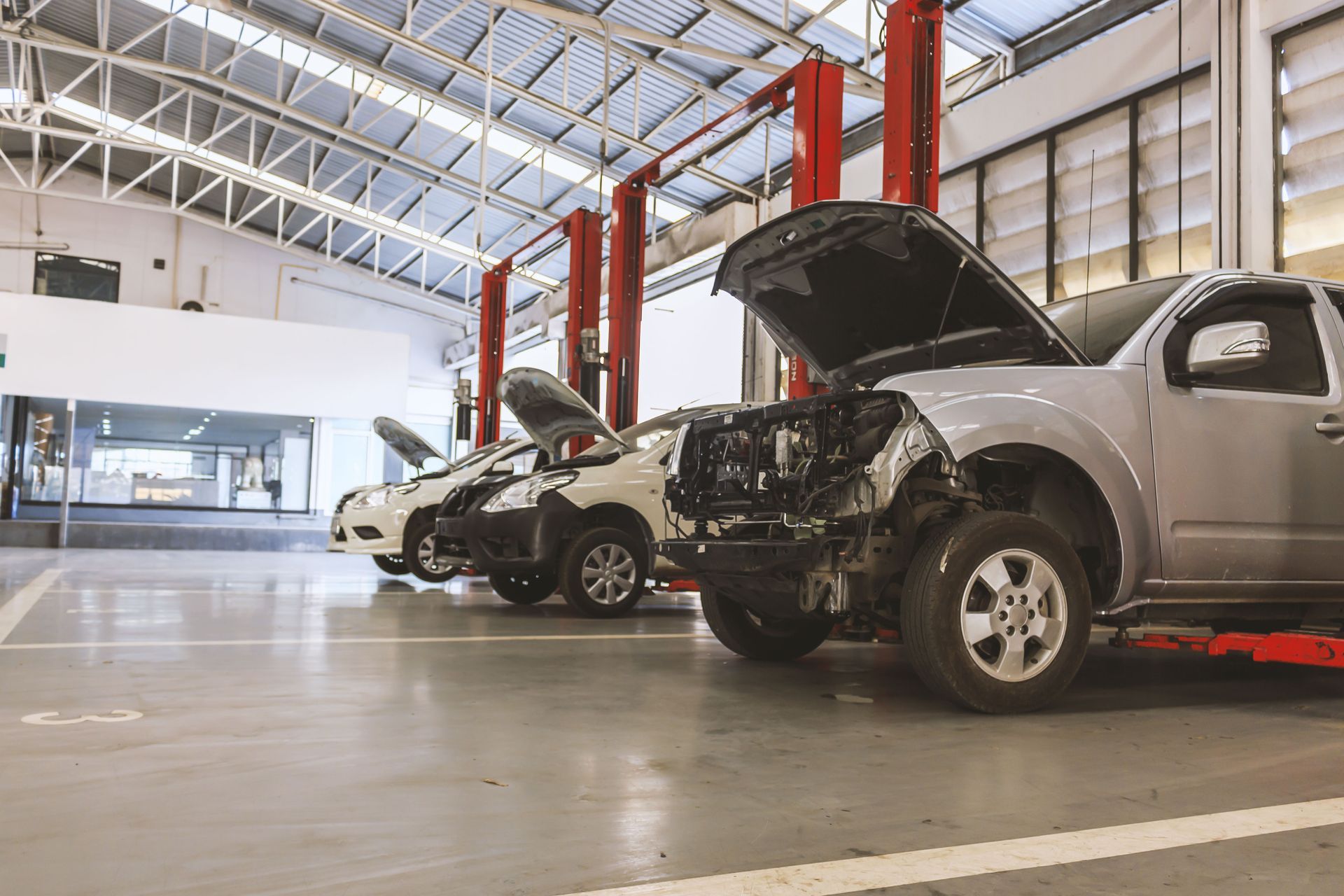
Another useful question concerns the parts and repair methods that will be used. Collision repairs are not always as simple as replacing visibly damaged components. Depending on the accident, the vehicle may require structural measurement, suspension inspection, electrical diagnostics, paint refinishing, or calibration of safety systems.
Ask whether damaged components will be repaired or replaced and why. You can also ask what type of replacement parts will be installed. If the vehicle has cameras, radar sensors, parking sensors, or other driver-assistance technology, ask whether those systems require calibration following the repair.
This conversation can help you understand what you are paying for and why certain procedures are necessary. It can also help identify questions you may want to discuss with your insurance company.
How Will You Keep Me Updated?
Finally, ask how the shop communicates with customers throughout the repair. Find out whether you will receive phone calls, text messages, emails, or access to an online repair-tracking system.
Ask when you should expect updates and who you should contact if you have questions. You may also want to know how the shop handles delays caused by parts availability, additional damage, insurance approvals, or other circumstances.
Communication can be especially important when repairs take several days or weeks. Local auto collision shops that establish clear expectations from the beginning can make it easier for customers to understand what is happening with their vehicles.
Choosing a body shop involves more than finding the closest business or accepting the first estimate you receive. Asking thoughtful questions about certifications, technician experience, warranties, estimates, insurance procedures, replacement parts, repair methods, and communication can help you make an informed decision. If you're looking for a reputable body shop, reach out to the team at Mac Rod Collision today!